



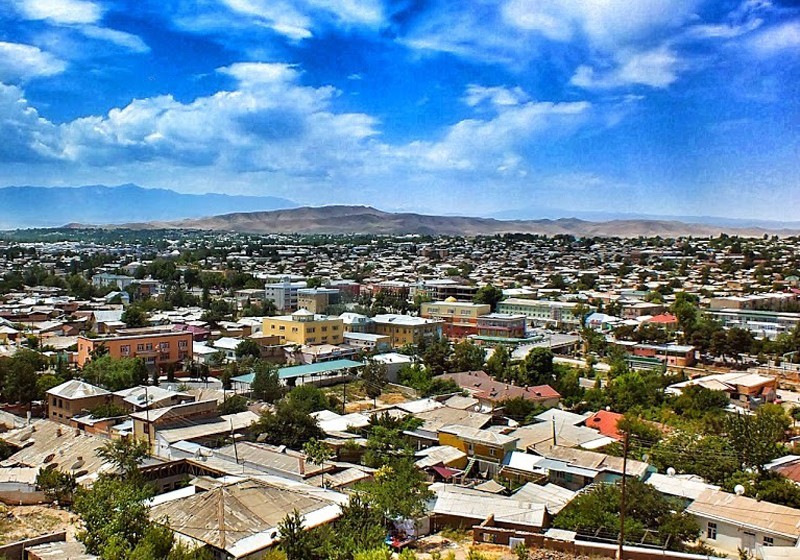
 This old town was founded many centuries ago as firstly mentioned refers to 13 century. It was significant economic center because of location on Great Silk Road route, which connected west and eastern countries giving great opportunity for trading either cultural exchange.
In earlier times Kulyab played significant part as culture and politics center with schools, universities, other public places.
Moreover, ancient city was home for science, literature, architecture so many poets including; Bismil, Khusaini, Shokhin, Abdurrahman Khodzha worked and lived there.
 Furthermore, this town is famous with its handmade production, such as suzane, brocade, other silk materials. Tourists can find different jewelry, knives, ceramics armor made by skilful craftsmen.
Prosperous placement was well known within its bazaars, where various craftsmen sold their production including beautifully decorated colorful embroidery.
